Thinking about a move to Farragut but wondering how it really compares to West Knoxville? That is a smart question, especially if you are relocating from out of town and trying to balance home style, commute, outdoor access, and everyday convenience. The good news is that both areas offer strong lifestyle advantages, but they feel different in ways that can shape your day-to-day experience. Let’s dive in.
Farragut vs West Knoxville at a Glance
If you are deciding between Farragut and West Knoxville, the biggest difference is this: Farragut feels more planned, suburban, and ownership-focused, while West Knoxville feels broader, more mixed, and more connected to Knoxville’s city corridor network.
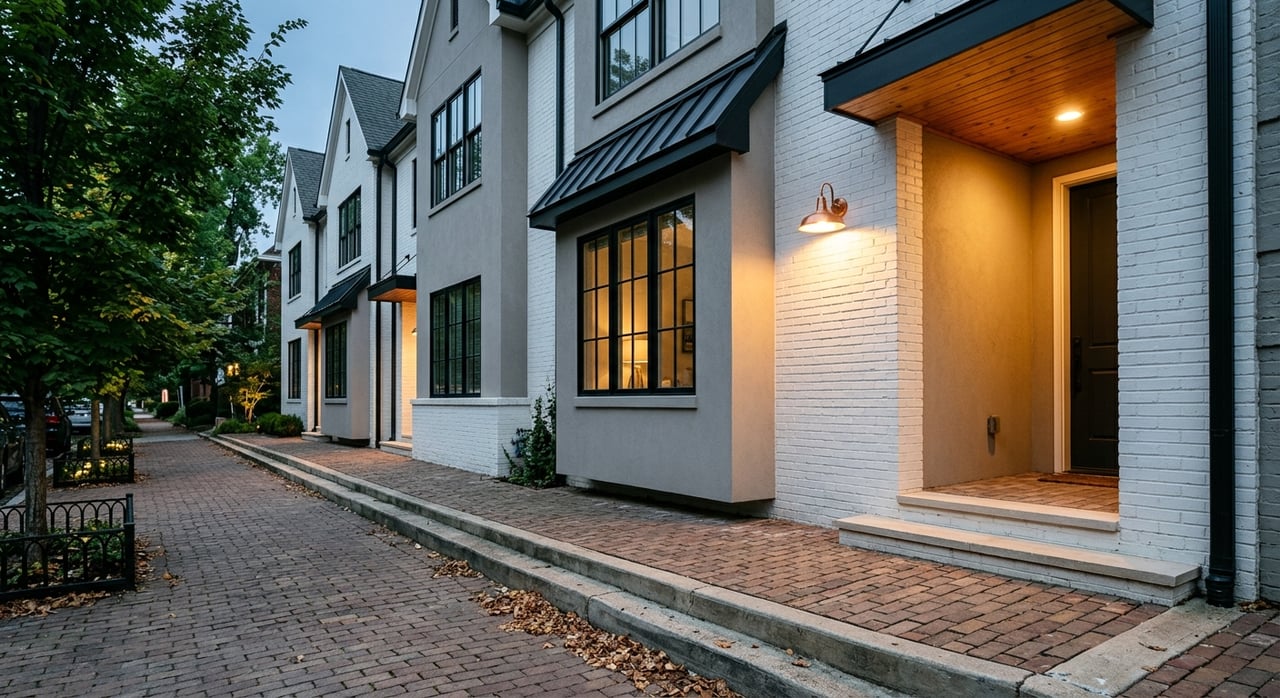
Farragut is described by the town as a bedroom community, and its planning approach reflects that. New development is expected to preserve open space or recreation on 10% of project acreage, and sidewalks and greenway links are required parts of neighborhood design. That gives many areas of Farragut a connected, intentional suburban feel.
West Knoxville, by contrast, is part of the City of Knoxville and functions more like a large corridor market than one single neighborhood type. City planning points to housing along corridors, redevelopment of vacant and blighted properties, neighborhood revitalization, and a wider mix of housing forms. If you want more variation in how neighborhoods look and function, West Knoxville generally offers that.
Housing in Farragut
Farragut’s housing market leans strongly toward ownership. According to U.S. Census QuickFacts, 84.7% of housing units in Farragut are owner-occupied, and the median value of owner-occupied homes is $583,400. For relocation buyers, that suggests a market with a strong ownership base and a higher price point.
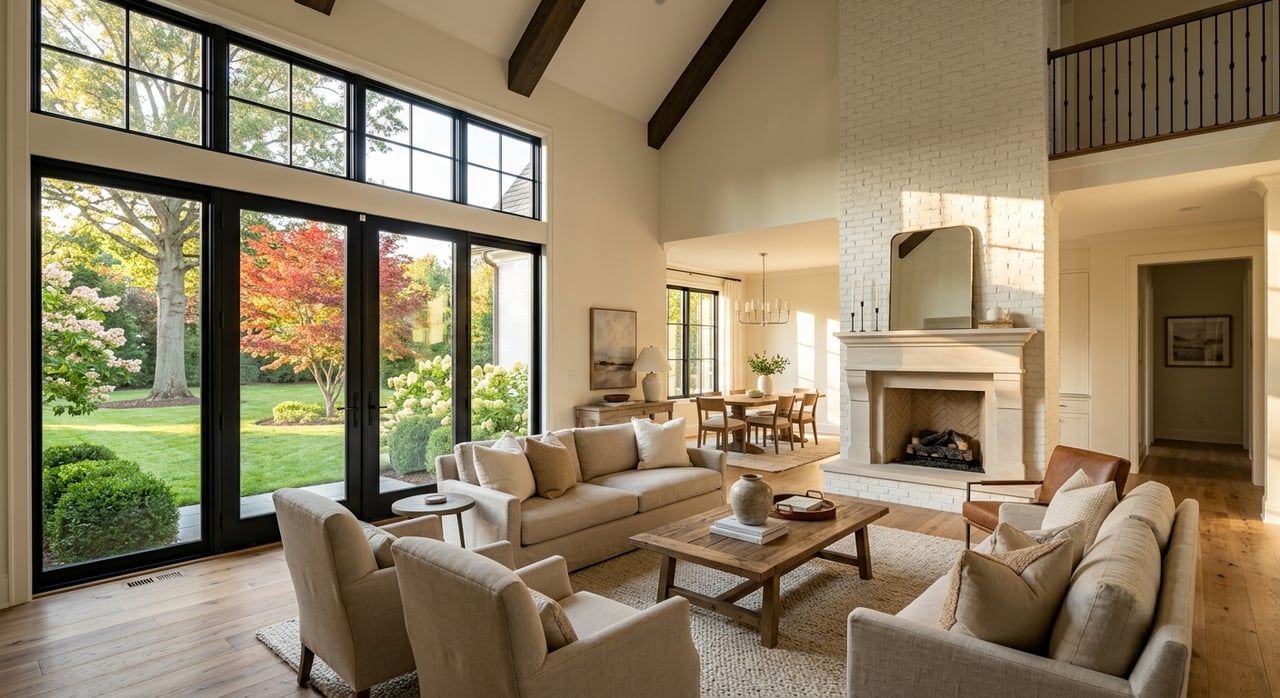
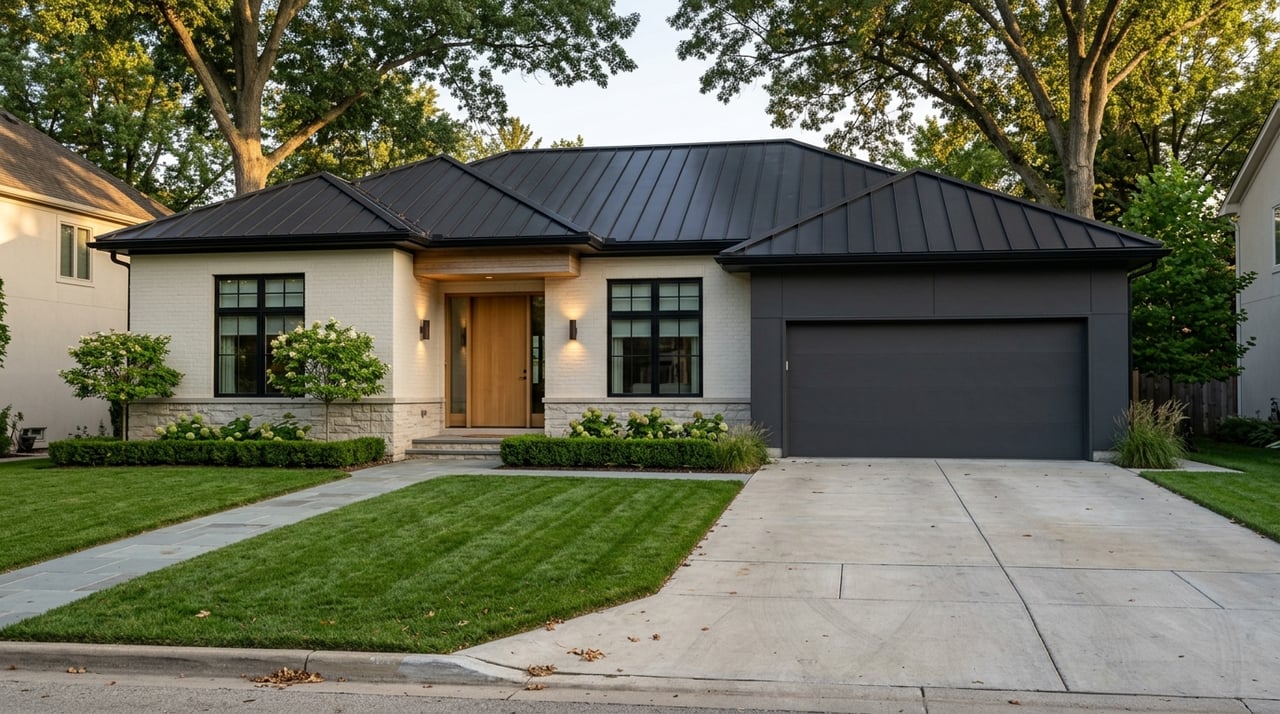
That does not mean every home in Farragut looks the same. The town’s land-use planning allows for a greater variety of housing types in new neighborhoods and includes mixed-use density ranges. You may find single-family homes, townhomes, condos, and some mixed-use residential options, but the overall identity still reads as planned suburban.
If your goal is a neighborhood setting with sidewalks, greenway access, open space expectations, and a more uniform suburban pattern, Farragut often aligns well with that lifestyle. Many buyers are drawn to the consistency of that environment, especially when moving from a denser or less predictable market.
Housing in West Knoxville
West Knoxville offers a wider housing mix, shaped by its location within the City of Knoxville. The city’s housing strategy includes middle housing such as townhomes, duplexes, and other housing types that fall between single-family homes and mid-rise apartments. The city also supports housing in more locations where it fits, especially along key corridors.
At the citywide level, Knoxville has a much lower owner-occupied housing rate than Farragut, at 46.6%, and a lower median owner-occupied home value of $239,700. These are Knoxville-wide figures, not West-Knoxville-only figures, but they still help show how much broader and more varied the Knoxville market is compared with Farragut.
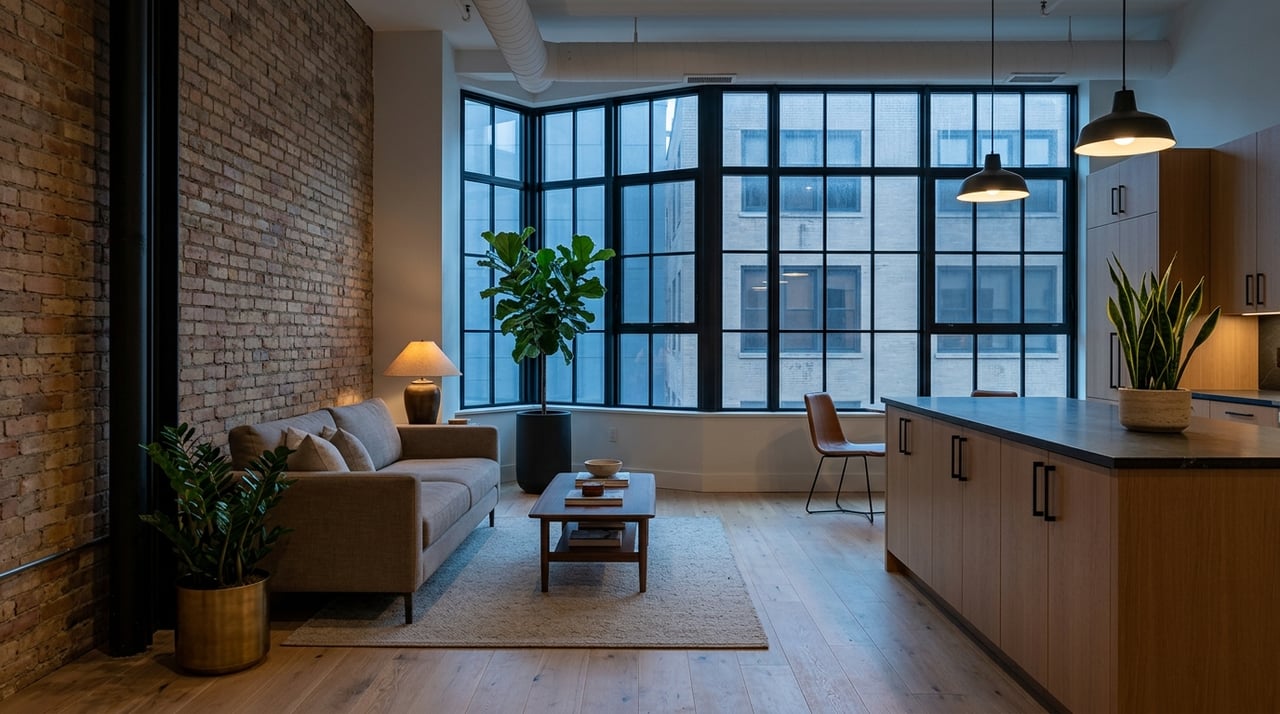
For a relocating buyer, West Knoxville may offer more range in price points, housing types, and neighborhood patterns. Some areas feel suburban, some feel more urban-edge, and some are shaped by ongoing revitalization and infrastructure work.
Neighborhood Feel and Daily Lifestyle
One of the clearest differences between Farragut and West Knoxville is how each area feels once you settle in. Farragut’s design standards, greenway system, and development framework create a more cohesive suburban experience. The town’s greenways connect subdivisions, parks, and in some places condos and apartments, which supports a neighborhood-centered lifestyle.
West Knoxville tends to feel more dispersed. Instead of one dominant suburban pattern, you will see a mix of established neighborhoods, commercial corridors, redevelopment areas, and city-led transportation and connectivity projects. That can be a real plus if you want more flexibility in how and where you live.
Neither is better across the board. It depends on whether you want a more predictable suburban rhythm or a more varied city-side environment.
Commute and Transportation Differences
Your commute can shape your experience just as much as your home. Farragut is closely tied to road access, with easy proximity to I-40 and I-75 and a location that supports commuting to Knoxville, Oak Ridge, Maryville, Alcoa, Loudon County, and McGhee Tyson Airport. The town also points to a commuter lot on Campbell Lakes Drive off Campbell Station Road.
That makes Farragut a more highway-driven choice in practical terms. Its infrastructure and planning suggest an auto-oriented suburban commute pattern, even though greenways and trails are part of the local lifestyle.
West Knoxville is more connected to the city’s broader transportation network. Knoxville Area Transit provides bus routes and downtown trolleys, and official West Knoxville project planning highlights ongoing work around Kingston Pike, Papermill Drive, Middlebrook, Pleasant Ridge, and Downtown West Boulevard. If staying plugged into city transit and corridor connectivity matters to you, West Knoxville may be the better fit.
Shopping and Dining Access
For many relocation buyers, convenience matters just as much as square footage. Farragut’s shopping and dining identity is centered around Turkey Creek. The town describes Turkey Creek Shopping Center as offering a large and diverse collection of shopping and dining, while smaller local centers include independent retailers, locally owned restaurants, pubs, and bakeries.
Visit Farragut also highlights The Pinnacle at Turkey Creek as one of the region’s premier shopping centers. So while Farragut’s retail pattern feels suburban and center-based, it still offers strong day-to-day convenience and variety.
West Knoxville’s retail scene is broader and more spread out. Visit Knoxville describes West Knoxville as a large part of the city known for shopping, with West Town Mall as a major anchor and additional shopping and dining along Northshore, Cedar Bluff, Lovell, and Kingston Pike. The area includes a wide range of food options, from casual spots and coffee shops to international cuisine, breweries, and fine dining.
In simple terms, Farragut is more centered around a few major hubs, while West Knoxville stretches across multiple commercial corridors. If you prefer having many retail nodes and route options, West Knoxville may feel more expansive.
Parks, Greenways, and Outdoor Access
If outdoor access is high on your list, both areas offer strong advantages, but they express that lifestyle differently. Farragut has more than 25 greenway segments totaling about 16 miles, and those trails connect subdivisions to parks and, in some cases, to a commuter lot. That creates a strong sense of everyday outdoor access built into the town’s layout.
Farragut also has a more direct lake-oriented identity. The town references regional waterways and includes a Lakefront area in its land-use vocabulary near Fort Loudoun Lake. If you are looking for a place where lake proximity and neighborhood greenways feel woven into the local identity, Farragut stands out.
West Knoxville has notable waterfront recreation too, especially through Lakeshore Park. The park sits along the Tennessee River and offers views of Fort Loudoun Lake and the Great Smoky Mountains. That gives West Knoxville a strong outdoor draw, but the experience is more park-based and corridor-connected than town-wide lake-oriented.
Access to the Smokies and Regional Travel
For buyers moving to East Tennessee, regional access often matters. Both Farragut and West Knoxville sit well for day trips and broader travel through the interstate network. Farragut’s community information specifically notes access to Knoxville, the airport, and other nearby employment and travel hubs.
The regional road network also provides straightforward access to Great Smoky Mountains National Park. Park directions note routes to the Gatlinburg entrance via I-40 Exit 407 and to the Townsend entrance via I-40, US-129, and US-321. If mountain access is part of your lifestyle goals, either area can work well as a home base.
Who Farragut Usually Fits Best
Farragut often appeals to buyers who want:
- A more planned suburban environment
- Strong owner-occupancy patterns
- Sidewalks, greenways, and connected neighborhood design
- Convenient access to Turkey Creek shopping and dining
- A lifestyle that feels closer to lake-oriented recreation
If you are relocating and want a more consistent suburban-lifestyle experience, Farragut is often the clearer match. It tends to feel organized, connected, and intentional in its design.
Who West Knoxville Usually Fits Best
West Knoxville often appeals to buyers who want:
- More housing variety
- More corridor-based shopping and dining choices
- Better connection to Knoxville’s transit network
- A wider mix of neighborhood settings
- Access to city-led revitalization and connectivity improvements
If you want more flexibility in home style, neighborhood layout, and commercial access, West Knoxville may give you more options. It can be a strong fit for buyers who like being close to the city’s wider network of amenities.
The Bottom Line for Relocating Buyers
If your ideal move includes a planned suburban setting, strong greenway access, a higher-ownership housing base, and a lifestyle tied to Turkey Creek and lake-adjacent living, Farragut may feel like the right fit. If you want a broader, more varied city-corridor experience with more housing diversity, more transit connection, and commercial activity spread across multiple nodes, West Knoxville may be the better match.
The right choice often comes down to how you want your daily life to feel, not just what shows up in an online search. When you compare commute style, neighborhood design, housing patterns, and outdoor access side by side, the differences become much easier to see.
If you are planning a move to Farragut or weighing it against West Knoxville, Veronica Walter can help you narrow the options, understand the local lifestyle differences, and find a home that truly fits the way you want to live.
FAQs
What is the main difference between Farragut and West Knoxville for relocation buyers?
- Farragut generally offers a more planned suburban setting with strong owner-occupancy, while West Knoxville offers a broader mix of housing, retail corridors, and city-connected transportation options.
Is Farragut more suburban than West Knoxville?
- Yes. Farragut’s planning emphasizes open space, sidewalks, greenway links, and neighborhood connectivity, which gives it a more intentionally suburban feel.
Does West Knoxville offer more housing variety than Farragut?
- Yes. City of Knoxville housing strategy and redevelopment goals point to a wider mix of housing types and neighborhood patterns in West Knoxville.
Is Farragut a good fit if you want greenways and outdoor access?
- Yes. Farragut has more than 25 greenway segments totaling about 16 miles, and those trails connect subdivisions, parks, and some residential areas.
Which area has better shopping access, Farragut or West Knoxville?
- Both offer strong shopping access, but Farragut is more centered around Turkey Creek, while West Knoxville’s shopping and dining are spread across several corridors and West Town Mall.
Is Farragut better for lake-oriented living than West Knoxville?
- Farragut has a stronger lake-oriented identity in town planning and community positioning, while West Knoxville’s outdoor access is more park-based, including Lakeshore Park along the river.